

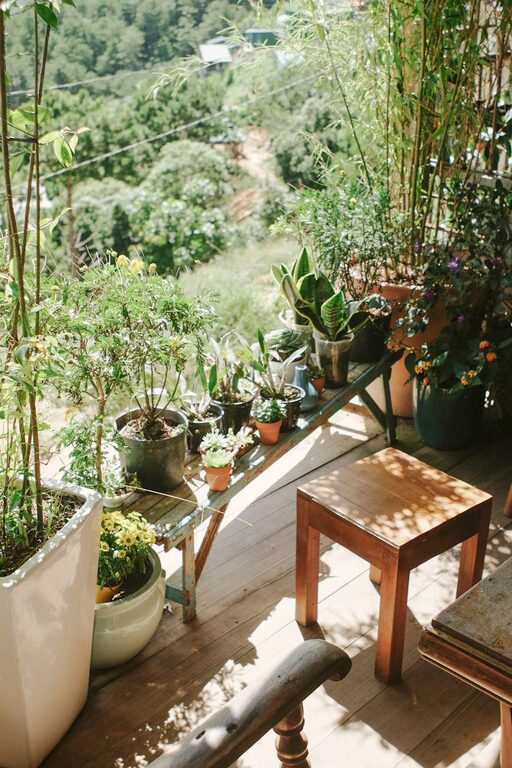
Creating a relaxing garden space at home is a wonderful way to enjoy fresh air, connect with nature, and find a peaceful retreat from the hustle and bustle of everyday life. Whether you have a small balcony or a large backyard, designing a garden area that soothes the mind and body can be both simple and rewarding. This guide offers practical tips to help you create your own calming outdoor oasis.
Why a Relaxing Garden Space Matters
Gardens have long been valued for their ability to provide tranquility and comfort. Spending time in green spaces reduces stress, improves mood, and encourages mindfulness. Designing your garden with relaxation in mind can boost your overall wellbeing, making it a valuable addition to any home.
Planning Your Peaceful Garden
1. Assess Your Space and Needs
Start by considering the size, shape, and sunlight of your garden area. Think about how you want to use the space: for reading, meditation, dining, or simply enjoying nature. Identifying your priorities will help you choose the right features and plants.
2. Choose a Calm Colour Palette
Colours influence mood, so opt for soft and natural tones in your garden decor. Whites, greens, soft blues, and lavenders create a serene atmosphere. Use these colours in seating cushions, plant pots, and garden ornaments.
Key Elements for a Relaxing Garden
3. Comfortable Seating Options
Invest in comfortable seating such as cushioned chairs, hammocks, or garden benches. Seating positioned to catch the sun or shade creates inviting spots to linger. Adding throw pillows and blankets can increase comfort and warmth, especially for cooler evenings.
4. Water Features for Soothing Sounds
The gentle sound of flowing water can be incredibly calming. Consider installing a small fountain, birdbath, or pond. These features not only provide sound therapy but also attract wildlife such as birds and butterflies.
5. Soft Lighting for Evenings
Create a cosy ambiance with soft garden lighting. Solar-powered lanterns, string lights, or low-voltage lamps add warmth without harsh glare. Use lighting to highlight pathways, seating areas, or plants to extend your garden enjoyment into the evening.
Plant Selection for Relaxation
6. Incorporate Fragrant Plants
Fragrant plants stimulate the senses and help relaxation. Lavender, jasmine, rosemary, and gardenia are popular choices. Their pleasant scents can ease tension and improve mood.
7. Mix Textures and Colours
Plant a variety of foliage with different leaf shapes and textures. Combine evergreens, grasses, and soft flowering plants to add depth and interest. Seasonal blooms provide changing colours throughout the year for continuous enjoyment.
8. Create Privacy with Hedges and Screens
Privacy is key to feeling relaxed in your garden. Use hedges, tall plants, or decorative screens to shield your space from neighbours and street noise. Bamboo, boxwood, and privet are evergreen options that grow well as natural barriers.
Adding Personal Touches
9. Use Garden Art and Ornaments
Add personality with tasteful garden decorations such as sculptures, wind chimes, or decorative pots. Choose pieces that reflect your style but avoid cluttering the space.
10. Build a Garden Pathway
A winding path made from stepping stones, gravel, or wood chips encourages a slow, mindful walk through your garden. Paths also help structure the space and connect different areas.
11. Incorporate a Meditation or Yoga Spot
If space permits, set up a small, flat area with a mat or cushion for meditation and yoga. Being surrounded by nature can deepen these calming practices.
Maintenance Tips for a Relaxing Garden
12. Keep It Tidy but Natural
Regularly remove weeds and dead leaves to keep your garden inviting. However, allow some natural elements like fallen leaves in corners to support wildlife and preserve a natural vibe.
13. Water Mindfully
Water plants in the early morning or late evening to reduce evaporation. Consider installing a simple irrigation system to maintain steady moisture without fuss.
14. Plan Seasonal Activities
Gardening can be a relaxing hobby in itself. Schedule simple planting, pruning, or harvesting tasks to stay engaged with your space throughout the year.
Final Thoughts
A relaxing garden space at home doesn’t need to be complex or expensive. Focus on comfort, sensory experiences, and personal touches to create a garden that feels like your own peaceful sanctuary. With time and care, your garden will become a favourite spot to relax, recharge, and enjoy nature’s beauty.